
InnoHub presentations focus on the commercial aspects of solutions, highlighting clear value propositions, market-ready products and services, and demonstrated return on investment. They showcase how solutions are already being applied in practice, the tangible benefits delivered to utilities or partners, and their scalability in real-world settings. InnoHub sessions take place during the breaks on a dedicated stage located close to the 1-to-1 meeting area, creating a natural flow between presentations and follow-up discussions and enabling interested participants to continue the conversation, ask detailed questions, and explore potential collaborations immediately after each presentation.
Programme Overview
The IWA Digital Water Summit brings together leading experts, innovators, utilities, and practitioners to explore the latest developments and real-world applications of digital technologies across the water sector. Building on the dialogue established in the first three editions, the fourth Summit will continue to showcase insightful discussions on topics such as IoT in water systems, data analytics and artificial intelligence, smart metering, leakage detection, digital twins, and cybersecurity.
The programme features a dynamic mix of technical presentations, InnoHub solution pitches, live demonstrations, and interactive panel discussions, all designed to foster knowledge exchange, inspire innovation, and encourage collaboration. Participants will gain practical insights into cutting-edge digital tools, solutions already in use by utilities, and emerging trends that are transforming water management worldwide.
The Summit is designed to maximise engagement and networking, with multiple opportunities for participants to actively contribute to discussions, including through the Digital Water Summit app. A key element of the event’s strong business focus is the InnoHub solutions platform, which provides a dedicated space for companies to showcase market-ready products, services, and digital solutions tailored to the needs and challenges of utilities and water management organisations.
The Summit will cover themes including the digital journey, IoT in water systems, predictive analytics and AI, smart metering, data visualisation, leakage detection, network digital twins, innovation, and cybersecurity.
IWA Digital Water Summit 2026 – Speakers
Technical Presentations
Technical presentations at the Summit are led by utilities and forward-thinking organisations, showcasing innovative digital solutions through real-world case studies. Sessions focus on how new technologies are applied in practice, highlighting lessons learned, performance improvements, and measurable value creation. Designed for utilities, technology providers, end users, and industry partners, these presentations foster peer-to-peer exchange and support informed decisions on innovation adoption, operational efficiency, and strategic investment.
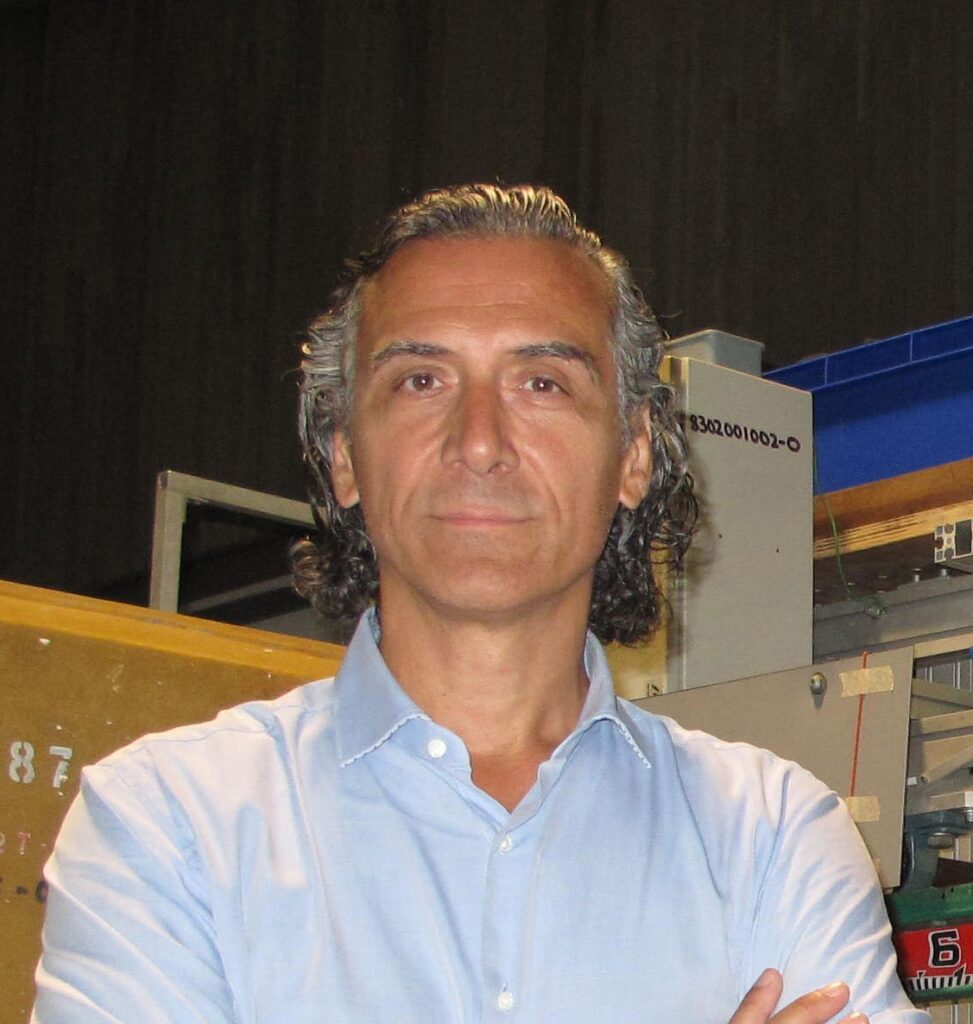
Vladan Babovic
Professor, National University of Singapore, Singapore
Presentation Summary
This presentation will showcase the fusion of heterogeneous data streams to produce accurate, high-resolution spatial rainfall fields and forecasts. The approach is based on Graph Neural Network (GNN) data-fusion framework capable of integrating multiple modalities: rain-gauge point data, radar grids, coarse satellite grids, CML line measurements, and CCTV image-based estimates. The approach involves both Convolutional GNNs (CGNNs) to model spatial correlations across the sensing network, as well as Heterogeneous GNNs (HGNNs) to handle varying data sources. The resulting framework is scalable, data-driven rainfall estimation and supports critical decision-making for climate resilience and urban infrastructure management.

Deepa Karthykeyan
Partner and Co- founder, Athena Infonomics, USA
Presentation Summary
This presentation will explore the digital transformation of urban sanitation in developing regions, focusing on how data-driven systems address gaps in traditional infrastructure. It will identify significant service challenges caused by rapid urbanisation and a historical reliance on manual tracking and external reporting rather than local operational needs. To illustrate potential solutions, the presentation will compare three major platforms—IMIS, DIGIT, and EDAMS—which vary from open-source municipal tools to commercial enterprise software. These systems enhance waste management transparency, improve revenue collection, and allow for real-time monitoring of faecal sludge across the entire service chain.
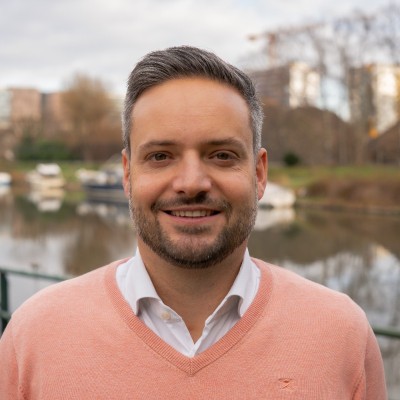
Rick De Visscher
CEO, Fiberflux | DALI pipeline Monitoring, Belgium
Presentation Summary
In the past decade, Fiber Optic Sensing has emerged as a promising and potentially game-changing technology for pipeline monitoring, providing real-time insight on leaks, intrusions and various other events impacting pipeline condition. DALI Pipeline Monitoring has been moving this promise beyond a theoretical concept and is turning this into reality. We will present several pilots and larger-scale implementations across the globe, to provide an update on the current state of technology, the technical and economic feasibility and capabilities of DALI Pipeline Monitoring.
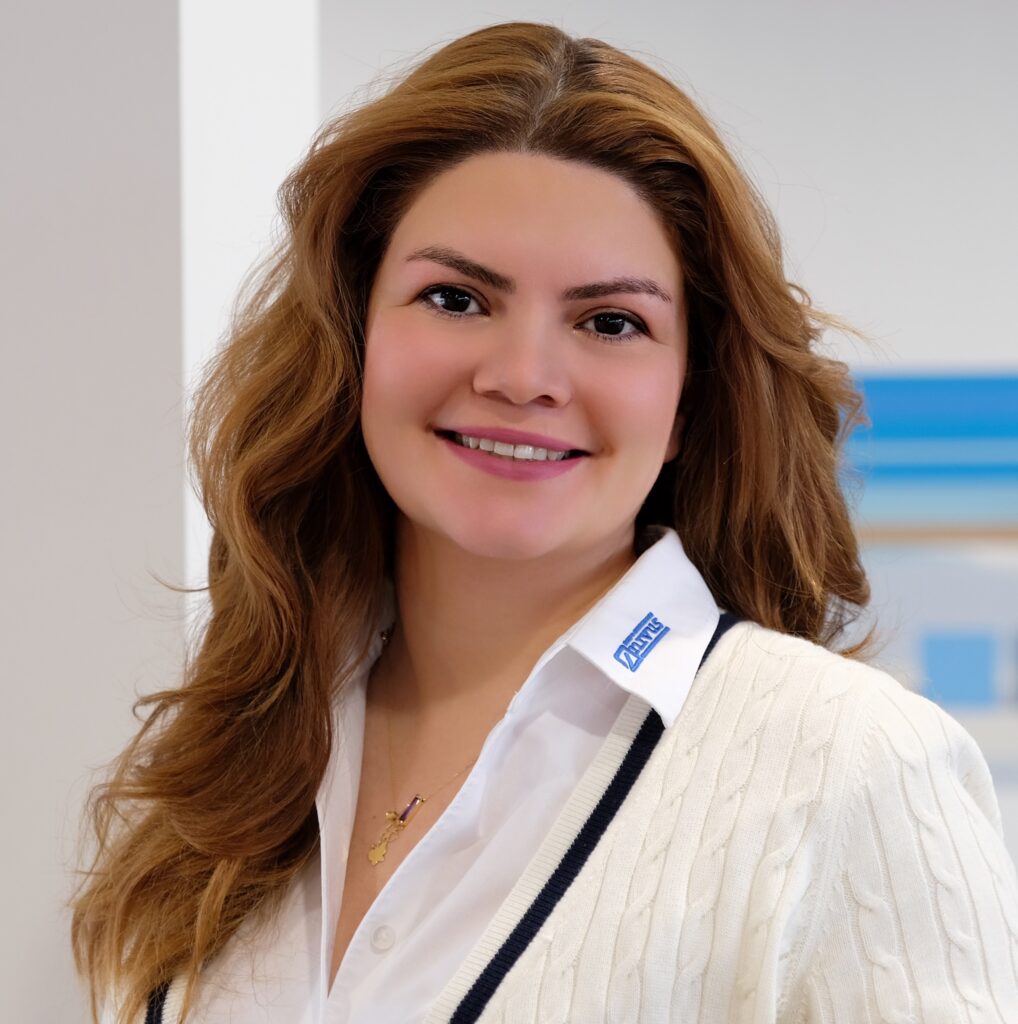
Bahareh Joharinad
Business RelationshipManager, NIVUS, Germany
Presentation Summary
Successful decisions are grounded in reliable data. This is an accepted fact; however, when it comes to the challenging conditions of sewerage and drainage networks, gaining that data is a significant hurdle. Cities require multi-useable data to perform network operations, plan future extensions, and generate numerical models to forecast several scenarios. To be effective, measurement systems must be resistant to harsh physical and chemical environments while providing high-accuracy readings for flow rates and water levels. Furthermore, because temporary measurements are often sufficient to reflect varying hydraulic conditions, these systems must be adaptable and easy to deploy. The City of Munich, serving 8.2 million inhabitants, faced these exact challenges. A project implemented by NIVUS GmbH overcame these obstacles by delivering a reliable data foundation for the city’s extension plans and heavy-rain management. Across more than 240 measurement points, the project utilised long-lasting, battery-operated ultrasonic systems. These digital, calibration-free Cross Corelation sensors which implement simultaneous velocity measurement at multiple depths, ensuring accuracy where conventional sensors fail. Reliable flow measurement in environments characterised by high turbulence, debris, or heavy sediment presents a barrier to data integrity. NIVUS’ advanced technologies—including robust open-channel sensors and adaptive signal processing—ensure continuous data flow even under these extreme conditions. Through automated data validation and remote diagnostics, this technical approach provides authorities with the comprehensive hydraulic data necessary to ground their critical decision-making tools. In this presentation, we will review the project’s technical characteristics and the solution implemented to showcase an example of a challenging measurement campaign.
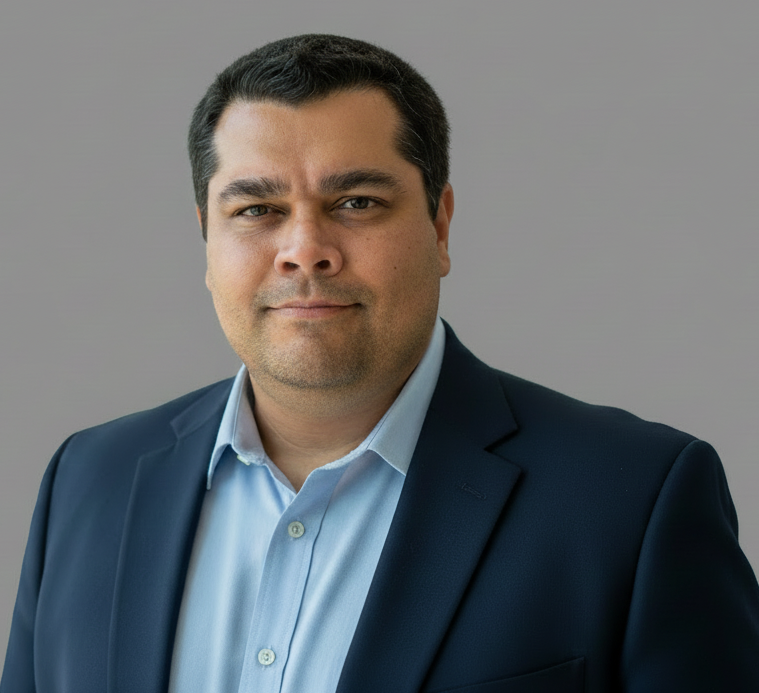
Douglas Miranda
Solutions Architect, Bentley Systems Inc., Portugal
Presentation Summary
Detecting and localising leaks remains a primary challenge for water utilities. Pipe breaks or hidden leaks can lead to significant water losses, property damage, water supply service disruption, and environmental hazards. Traditional methods of detection often involve reactive measures, leading to delays in response and increased costs. The Bentley’s solution for reducing real losses provides near-real-time cloud-based anomaly detection and localisation for water utilities to leverage AI predictive analytics, IoT Field sensor data, and calibrated hydraulic models. This session will also cover other innovative technologies offered by Bentley that leverage AI-driven tools for the detection of cracks in water storage facilities like Tanks and Dams, and AI-driven tools that support designers to automate the annotation of drawing plans, a process that commonly consumes significant time on design projects. This session will share outcomes and lessons learned from these technology implementations, highlighting the role of AI in improving decision-making and efficiency across the lifecycle in water infrastructure projects.
Patricia Gómez-Martínez
Project Manager, Canal de Isabel II – Promotion of Innovation Area, Spain
Presentation Summary
The study presents Distributed Acoustic Sensing (DAS) Technology as an effective real-time monitoring solution for urban water supply networks, using fibre optic cables to detect acoustic vibrations along pipelines and identify anomalies with high spatial precision. By sending laser pulses through the fibre and analysing backscattered signals—enhanced with AI and machine learning—the system can rapidly detect, classify, and geolocate events such as leaks, tampering, and external disturbances. A 5.6 km pilot implementation by Canal de Isabel II in Madrid demonstrated the technology’s ability to recognise simulated incidents including leakages, excavations, equipment manipulation, vehicle movement, and even train passage. The results confirm DAS as a powerful tool for improving hydraulic anomaly detection, strengthening infrastructure security, and advancing the digital transformation of water supply management.
Àlex Montoya Pérez
Digital Innovation Engineer, Acciona, Spain
Presentation Summary
ACCIONA has been selected by the Water Supplies Department (WSD) – the entity that manages drinking water supplies in Hong Kong – to carry out the design and commissioning of a digital twin in the Tseung Kwan O desalination plant. This award represents a milestone in the desalination industry and makes ACCIONA a pioneer in the implementation of this type of system in the water sector, as it is the first digital twin that covers all the stages of the desalination process. It represents progress on several fronts, as it forecasts the evolution of production processes, optimises costs by anticipating what happens in processes, detects membranes fouling in real time and optimises energy consumption, among other advantages. These factors are key elements in improving efficiency in the operation and maintenance of the plant. It is in this context that the WITNESS solution arises, with the aim of developing new indicators capable of diagnosing water preventively, in order to reduce membrane fouling and optimise the overall operation of the desalination process. By leveraging advanced machine learning techniques, WITNESS seeks to use process monitoring data (SCADA) to provide accurate predictions and estimates of critical variables. In this case, the main variable to predict is the normalised differential pressure ΔP of the reverse osmosis racks, a key indicator of membrane fouling. This approach will not only enable a better understanding of process behaviour but will also open new possibilities to improve the efficiency and sustainability of desalination plants. The solution is fully operational in the Tseung Kwan O desalination plant.

Irish Nicole Janela Salazar
Process Engineer, Maynilad Water Services, Inc., Philippines
Presentation Summary
Reliable online sensor data is the foundation for achieving continuous compliance with strict effluent standards and enabling the digital transformation of wastewater treatment plants. However, sensors operating in harsh, high-biomass environments are inherently vulnerable to drift and data quality issues, which often undermines their use for real-time process control. This study details a systematic Quality Assurance (QA) framework piloted at the Paranaque WRF that utilises the Shewhart Control Chart methodology to statistically validate sensors for Nitrates, Ammonia, and pH. By objectively measuring the variance between real-time readings and laboratory reference methods, the system shifts maintenance from reactive troubleshooting to a proactive, evidence-based validation protocol. This approach fundamentally promotes operator trust in instrumentation, ensuring the high-quality data necessary to optimise chemical dosing, reduce energy consumption, and guarantee regulatory assurance across the facility.

Tim Steyaert
Enterprise Architech, De Watergroep, Belgium
Presentation Summary
From Silos to Streams: How De Watergroep Is Future-Proofing Water Management – In order to become a data-driven company De Watergroep started in 2023 to transform fragmented, regional data silos into a unified, scalable ecosystem powered by its Delphi platform. This strategic shift bridges the gap between IT and Operational Technology, integrating near real-time data from reservoirs, monitoring wells, and third-party providers to enable faster, more responsive decision-making. Beyond core infrastructure, the initiative democratises data through a governance model that empowers employees with self-service capabilities and continuous learning. By acting as a central “water carrier,” Delphi fosters innovative collaboration while streamlining operations through deep integration with ERP and a variety of specialised niche applications used for water production and monitoring.
Francesco Lacriola
Business Development Manager, Planetek Italia, Italy
Presentation Summary
In this presentation, we will showcase Rheticus Network Alert, a satellite-based monitoring solution for the predictive maintenance of wastewater networks. By analysing ground motion across the network, it pinpoints sections that require the highest priority for inspection, enabling utilities to optimise maintenance activities proactively. First piloted in Italy in 2017, Rheticus Network Alert is now applied across Europe, Latin America, and Asia, delivering measurable improvements in operational efficiency. The technology has reached Technology Readiness Level (TRL) 9, demonstrating full deployment and proven performance in real-world conditions.
Megan Higgs
Production Planning Manager, Anglian Water Services LTD, United Kingdom
Presentation Summary
The solution is a new production planning tool which has been created from scratch between Anglian water services and Optimatics/Suez UK. It has been trialled in one of our supply systems in Colchester, UK which has some initial very positive results and findings and a case study which can be shared. It is being used to transform Anglian water’s whole operating model, way of planning maintenance, balance abstraction licenses and integrating our biggest capital delivery scheme known as the strategic pipeline, which connects our whole region as one supply system (one of the biggest construction’s ever done in the UK). The presentation would include both an insight into how this project has been rolled out across Anglian water, a live demo of the tool and its capabilities, followed by a specific case study and results of the Colchester region.
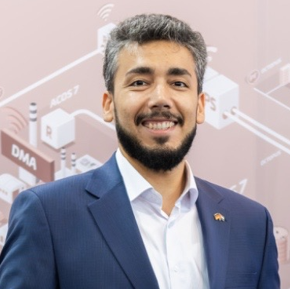
Abdurrahman Yeşiloğlu
Director of Water Technologies, VIVAVIS Türkiye, Türkiye
Presentation Summary
NPM AI is a unified software platform that digitises, monitors, and optimises the entire water cycle from source to consumer. By integrating SCADA, IoT, GIS, and hydraulic models into a single operational hub, it gives utilities real-time visibility across the network, enabling predictive and informed management at every level. With built-in NRW and DMA management modules aligned to IWA standards, the platform provides trusted KPIs and regulatory-ready calculations, helping utilities benchmark performance, reduce losses, and operate at optimal pressure. AI-powered anomaly detection, resource forecasting, and dynamic simulations transform daily operations from reactive responses to proactive and data-driven decision-making, supporting smarter distribution strategies and more efficient use of energy and assets. At its core, NPM AI delivers Operational Intelligence & Insights through customisable dashboards and digital-twin maps, giving stakeholders a clear view of operational health, investment priorities, and emerging risks. Its modular design ensures scalability and continuity, whether deployed for a district, a city, or a national network. Proven in large-scale deployments, from Istanbul to Dubai, NPM AI has delivered measurable results: less water lost, fewer failures and a smarter use of the water network. In short, NPM AI transforms complex water systems into predictable, optimised and more sustainable networks supporting utilities on their journey toward data-driven, low-loss and future-ready operations.
Live Demonstrations & InnoHubs
Live Demonstrations give a hands-on view of how technologies operate in real-world water systems. During these sessions, the audience can interact directly with the platform, guiding the presenter toward the features and scenarios they want to explore, highlighting performance, functionality, and practical benefits for utilities and end users. Presenters then continue at the InnoHub, focusing on the commercial aspects of their solutions, including value propositions, market-ready products, and return on investment. This combined approach provides decision-makers, end users, and industry partners with a full perspective—from operational effectiveness to business value—facilitating informed investment, strategic collaboration, and peer learning.
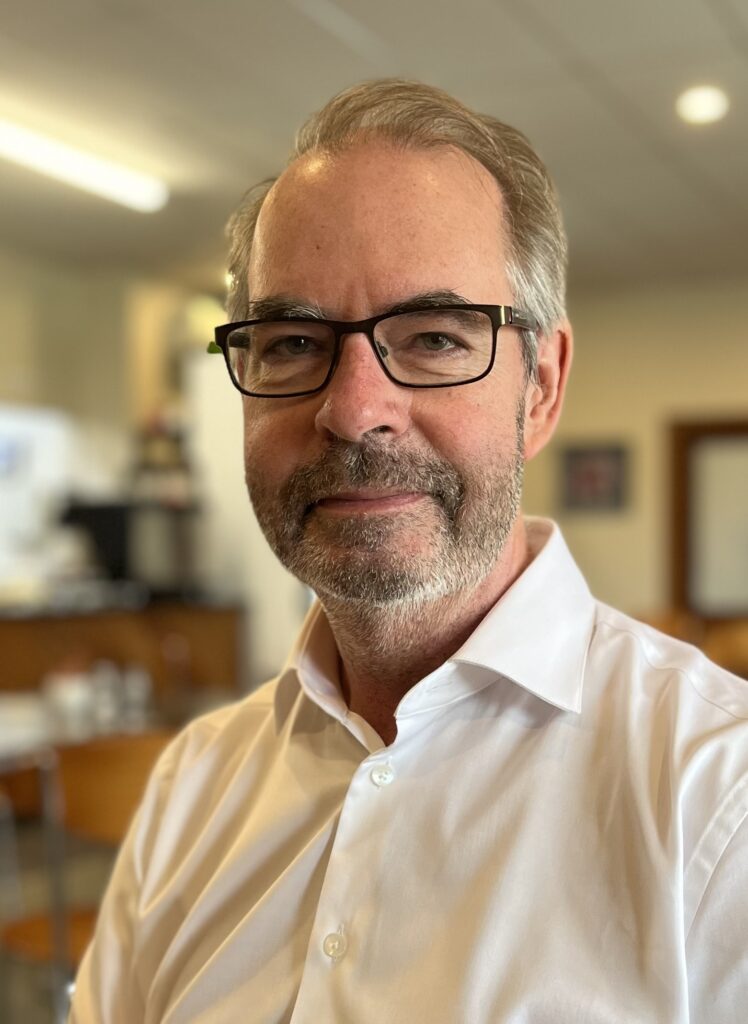
Lars-Goeran Gustafsson
Digital Solution Manager, Water in Cities, DHI, Sweden
Presentation Summary
DHI CityFlow Live brings together existing DHI digital twin solutions within a new, integrated digital twin framework. This includes Future City Flow (wastewater networks), TwinPlant (wastewater treatment plants), and ReDiT (receiving water digital twins). These solutions are already deployed in multiple full-scale, operational settings.
The Live Demo will focus on the practical application of this integrated digital twin approach, using a real, ongoing project—most likely from Brisbane, Australia—to demonstrate how the solutions work together in an operational context.
The InnoHub presentation will complement the Live Demo by providing an overview of the integrated CityFlow Live framework, its value proposition, and the commercial and strategic aspects of deploying integrated digital twins across the urban water cycle.
InnoHubs
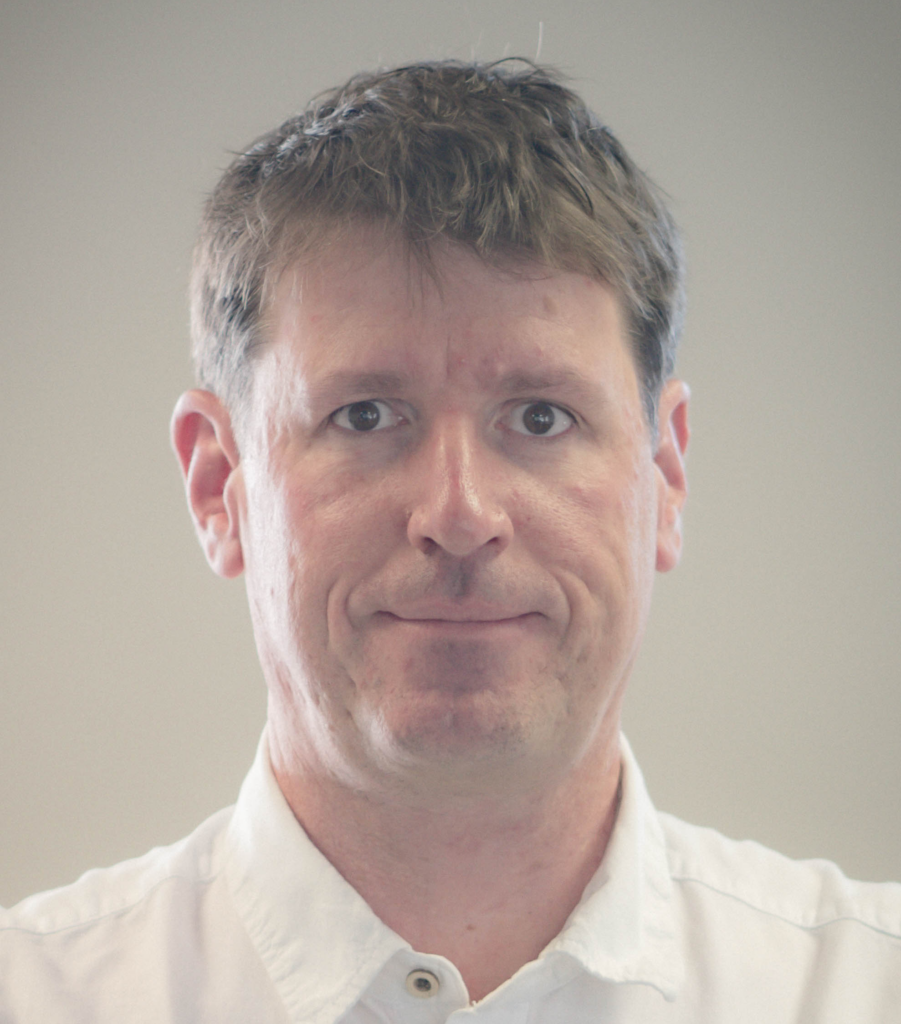
Alexander Sinske
Head of Technology (CTO), GLS Consulting (Pty) Ltd, South Africa
Presentation Summary
GLS Consulting (Pty) Ltd’s Smart Water Utility Solutions focus on demand management, billing data analytics, geospatial to model integration, digital network twins, and asset replacement prioritisation. Spatial billing analysis corrects metering errors, feeds filtered consumption into hydraulic models, and supports cost of supply, tariff studies, and DMA loss calculations. Telemetry-enabled digital twins support time simulation calibration, live water balances, and reservoir volume prediction—proven during Cape Town’s “Day 0” drought and George’s first Digital Network Twin in Southern Africa. Machine learning forecasts consumption and refines unit demands, with documented impacts in Johannesburg and Pretoria. R&D includes AI-assisted model building, multilingual LLM tutorials, and a secure web platform deployed on client intranets. In 2025, GLS partnered with TEKSU A.Ş. to expand in Türkiye; Dr Alex Sinske will demonstrate analytics, calibration, reporting, and mapping capabilities.
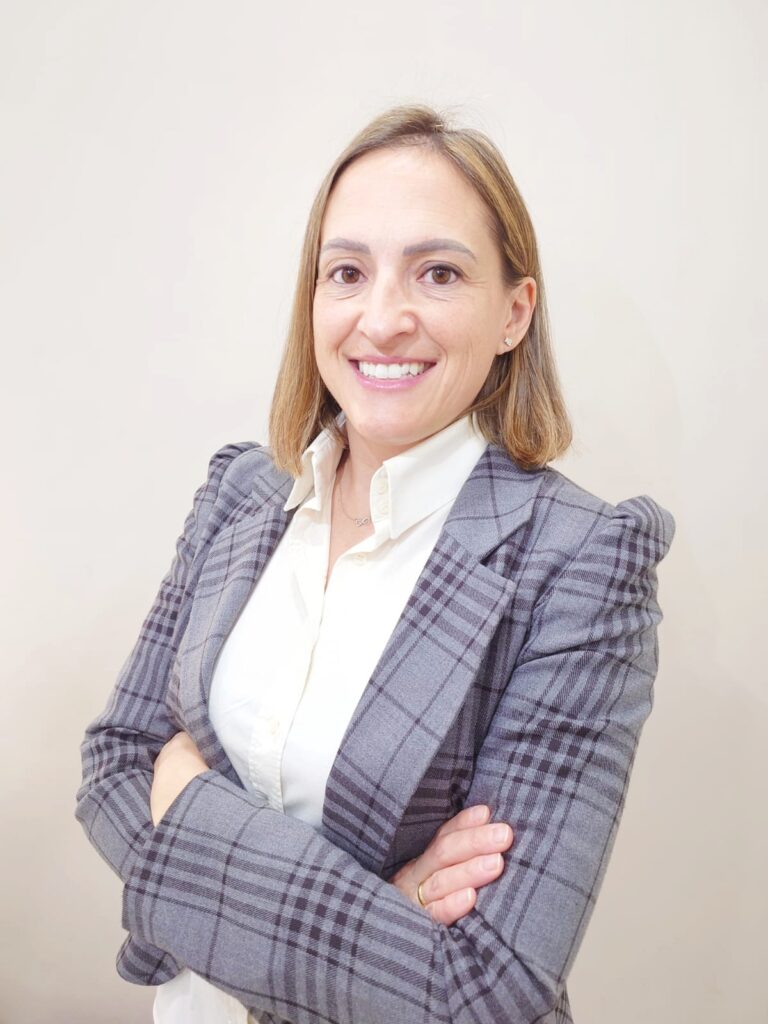
Lorena Bermejo
Group Leader Water Resources and Environment, Amphos 21 Consulting, Spain
Presentation Summary
In this presentation, we introduce an AI-powered workflow that integrates expert knowledge with machine learning techniques to generate reliable protection perimeters for both surface water and groundwater abstraction points. Our approach combines geospatial datasets, catchment characteristics, land-use dynamics, hydraulic response patterns, and historical water-quality signals to train predictive models that identify areas with the highest vulnerability and influence on each intake. We demonstrate how unsupervised clustering methods can classify areas with similar characteristics, reduce uncertainty, and dramatically accelerate the analysis. The resulting scalable decision-support tool enables water managers to update protection zones more frequently, prioritize monitoring, and optimize investments in risk-reduction measures, thereby supporting more sustainable and resilient water supply systems.
Interactive Sessions – Panellists

Nicolas Caradot
Group Lead “Smart City and Infrastructure”, Kompetenzzentrum Wasser Berlin (KWB), Germany
Douglas Miranda
Solutions Architect, Bentley Systems Inc., Portugal
Janelcy Alferes
R&D Project Leader (Monitoring Technology & Digital Water), WaterKlimaatHub VITO, Belgium